
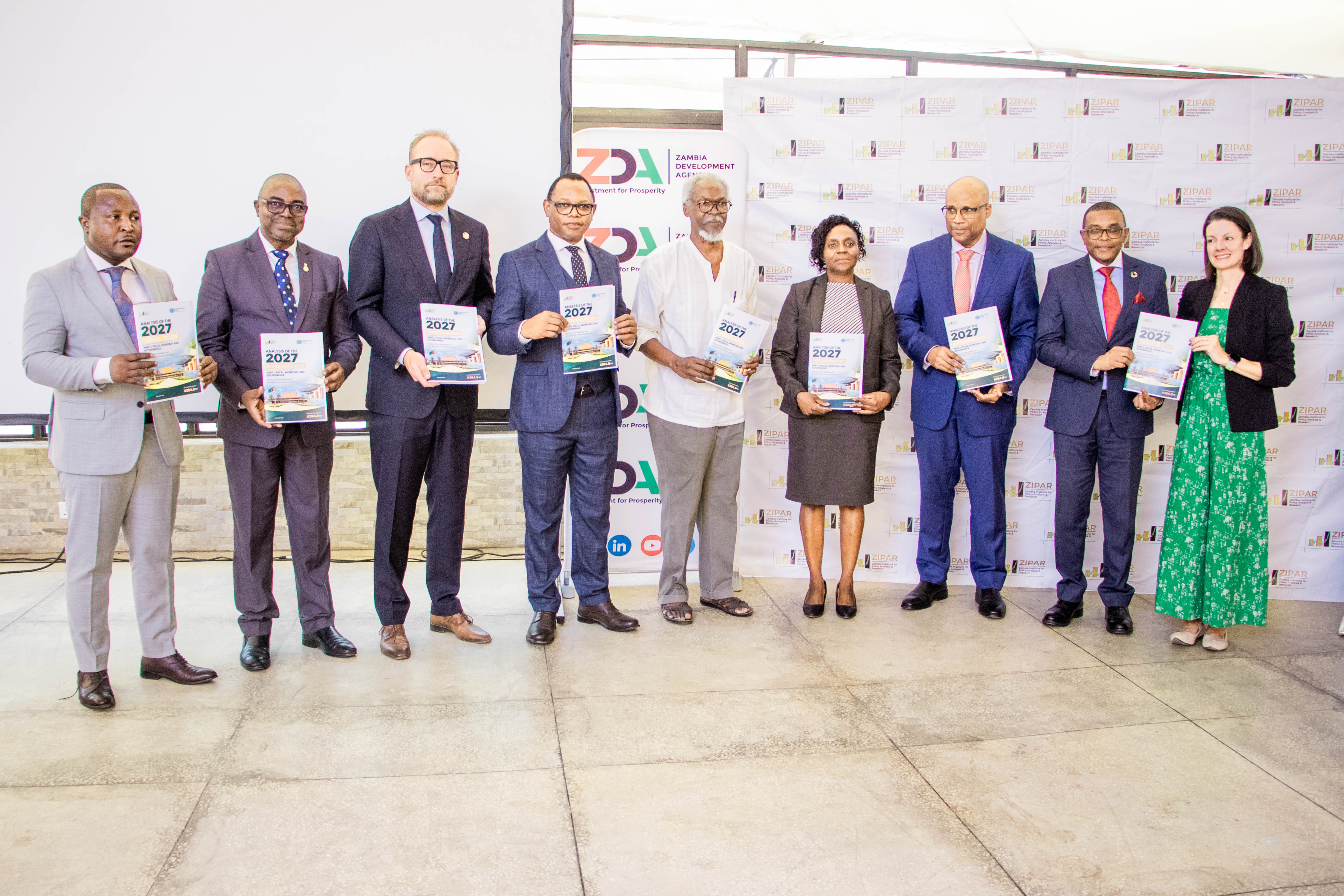
ZIPAR Launches 2027 National Budget Analysis Reports, Highlighting Ten Key Development Priorities
On 12 November 2026, the Zambia Institute for Policy Analysis and Research (ZIPAR), in collaboration with the United Nations (UN) System in Zambia and the Zambia Development Agency (ZDA), successfully launched the 2027 National Budget Analysis Reports, providing evidence-based insights into Government's fiscal priorities, resource allocations and their implications for Zambia's economic and social development.
The analysis highlights ten critical issues that will shape Zambia's development trajectory and influence the achievement of the country's economic transformation ambitions under the Grow Zambia Agenda.
Ten Key highlights Emerging from the Analysis include:
1. Economic Growth and Productivity Achieving the ambition of doubling the size of Zambia's economy by 2031 will require accelerated economic growth, improved productivity and increased private sector investment.
2. Fiscal Sustainability and Debt Management While reduced debt servicing costs create opportunities for increased developmental spending, managing public debt, domestic borrowing and refinancing pressures remains important for maintaining fiscal sustainability.
3. Domestic Revenue Mobilisation Strengthening domestic revenue collection is essential for financing national development. However, tax measures must be designed to support revenue mobilisation without placing disproportionate burdens on households and businesses.
4. Agricultural Transformation Achieving ambitious agricultural production and export targets will require sustained reforms, improved access to financing, expanded markets and investment in productive infrastructure.
5. Mining and Industrial Development Realising the target of producing three million tonnes of copper annually will require increased investment, value addition and stronger linkages between the mining sector and local industries.
6. Energy Security Expanding electricity generation and addressing challenges in the energy sector remain critical to supporting industrialisation, agricultural productivity and overall economic growth.
7. Employment and Inclusive Growth Economic growth must translate into decent employment opportunities, particularly for young people and workers in the informal sector, to ensure that the benefits of development are widely shared.
8. Manufacturing, MSMEs and Tourism Strengthening manufacturing, micro, small and medium enterprises (MSMEs) and tourism will be important for economic diversification. This requires improved access to finance, technology, infrastructure and markets.
9. Social Sector Investment Investments in education, health and social protection must translate into improved service delivery and better development outcomes, particularly for vulnerable households and children.
10. Climate Resilience and Environmental Sustainability Strengthening disaster preparedness, climate-smart investments and sustainable natural resource management is essential for protecting livelihoods, safeguarding economic gains and building resilience against climate-related shocks.
The analysis highlights the importance of ensuring that budget allocations translate into tangible improvements in people's lives. Achieving the Grow Zambia Agenda will require more than committing financial resources; it will depend on effective implementation, accountability, institutional capacity and sustained policy coordination.
Through its National Budget Analysis, ZIPAR continues to contribute independent research and evidence-based policy recommendations to support informed public debate, strengthen accountability and promote sustainable and inclusive economic development.
ZIPAR acknowledges the support and collaboration of the UN System in Zambia, the Zambia Development Agency and all stakeholders who contributed to the successful launch and continue to support evidence-informed policy dialogue.